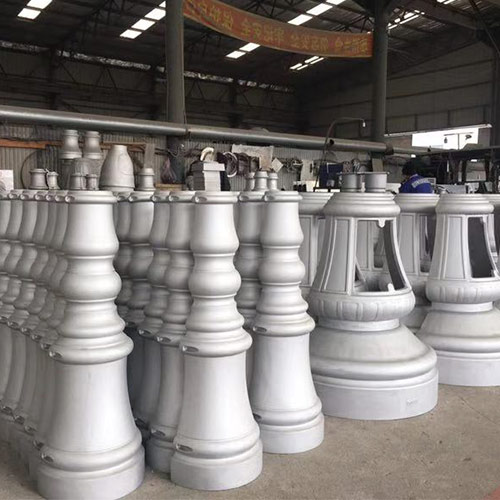
To prevent rust on cast iron outdoor furniture, remove loose corrosion, keep the metal dry, seal exposed iron with a compatible primer, and maintain the finish before water reaches the casting. This process applies to weather-resistant cast iron furniture, rust prevention for cast iron patio furniture, and products supplied by cast iron garden furniture manufacturers. The key issue is electrochemical corrosion: iron reacts with water and oxygen, while salts and acidic residues increase the reaction rate. A sound coating system interrupts that process more reliably than occasional wiping alone.
Owners usually notice the problem in three situations: orange staining appears beneath a chair, paint blisters around a joint, or rust returns a few weeks after repainting. Cast iron is strong, but its rough surface, casting pores, hidden joints, and hollow sections can retain moisture. The most durable repair therefore combines mechanical cleaning, controlled drying, a corrosion-resistant primer, and a topcoat designed for exterior metal.
Rust is not simply dirt on the surface. It is an electrochemical reaction that requires an electrolyte, normally water, and oxygen. Road salt, sea spray, fertilizer dust, bird droppings, and acidic leaf residue can make the moisture more conductive. When these contaminants remain under a coating, corrosion may continue even when the visible surface looks painted.
Cast iron also differs from smooth steel sheet. Its graphite-rich microstructure and textured casting surface can hold water in small depressions. Bolted joints, decorative scrollwork, the underside of seats, and the feet of tables are common corrosion points. Furniture positioned directly on wet soil or grass dries more slowly than furniture standing on a paved, ventilated surface.
Some cast iron garden furniture manufacturers use powder coating, a factory-applied thermoset finish that is cured at elevated temperature. Powder coating can provide a uniform film, but damaged areas still need prompt touch-up. Do not assume that a powder-coated frame can be repainted without cleaning, abrading, and confirming compatibility with the new coating.
Public conservation guidance for outdoor ironwork consistently recommends removing unstable corrosion, keeping water from collecting, and maintaining protective coatings. The same principle appears in manufacturer maintenance sheets for painted and powder-coated metal furniture: clean regularly, avoid abrasive household chemicals, inspect joints, and repair coating damage rather than allowing exposed metal to remain untreated.
Important evidence note: A personal owner story should be traceable to a dated post, repair record, or named publication. Because an unverifiable online anecdote would be misleading, this guide does not present an invented testimonial or claim that a particular homeowner achieved a specific service life. For a documented project, record the furniture’s condition, products, weather, preparation method, and inspection dates. That record is more useful than an unsupported statement such as “the finish lasted forever.”
For buyers comparing Lianjiang products or other suppliers, request the actual coating specification: coating type, preparation standard, film thickness if available, warranty exclusions, and recommended touch-up product. A manufacturer’s name alone does not establish corrosion performance.
Choose a dry period with no rain, heavy dew, or fog expected during the product’s stated drying and curing period. The metal surface should be at least 3°C above the dew point when applying many industrial-style coatings; always follow the coating manufacturer’s instructions if they specify a different limit. Do not weld, grind aggressively, or use solvent products near flames. Lead-containing paint may be present on older furniture, so test suspect coatings before sanding and follow local hazardous-waste rules.
Tools: flashlight, camera, screwdriver or spanner, notepad, and a moisture meter if available.
Action: Photograph every side before moving the furniture. Check the underside, bolt heads, welds, seat slats, table feet, drainage holes, and areas where paint is lifting. Tap questionable coating lightly with the handle of a screwdriver; a dull, hollow response or visible movement often indicates delamination.
Parameters: Mark rust as light surface staining, scaly rust, blistered coating, or deep section loss. Measure any hole, crack, or visibly thinned area rather than describing it as “large.”
Check: Decide whether the frame remains structurally sound. A chair with a cracked load-bearing leg, loose casting, or perforated support should not be used until assessed by a qualified metalworker.
Failure fix: If corrosion has reduced a leg, arm, or joint, stop cosmetic treatment. Cleaning and painting cannot restore lost cast iron; replacement or professional repair may be required.
Tools: mild detergent, soft brush, clean water, sponge, and towels.
Action: Wash the furniture from top to bottom. Work detergent into decorative recesses and the underside. Rinse thoroughly so detergent, fertilizer residue, bird droppings, and salt are not trapped beneath the primer.
Parameters: Use low-pressure water. Avoid forcing water into hollow tubes, bearings, or threaded joints. Do not mix bleach, acids, ammonia, or solvent cleaners.
Check: After rinsing, wipe a clean white cloth across the metal. If it picks up visible grime or a powdery residue, wash again.
Failure fix: If water remains inside a hollow section, tilt the furniture safely, open an existing drain point if appropriate, and allow extended drying. Never seal a section that still contains trapped water.
Tools: wire brush, scraper, abrasive pad, vacuum, and protective equipment.
Action: Scrape all lifting paint and brush away rust scale until the remaining coating has firm edges. Feather the boundary between sound paint and bare iron with abrasive paper so the transition is gradual.
Parameters: Do not polish the entire surface smooth if a sound coating remains. The objective is a clean, stable, lightly keyed surface. Industrial projects may specify a surface-preparation grade under ISO 8501-1 or an SSPC standard; for household furniture, follow the primer data sheet rather than guessing a blast-cleaning grade.
Check: Press masking tape onto the prepared area and remove it. If loose particles or paint flakes remain attached, continue cleaning. The surface should be free of visible scale and dust.
Failure fix: If rust is packed into deep pits, use a rust converter only where the product is approved for that substrate and overcoating system. Phosphoric-acid converters can transform iron oxides into an iron-phosphate residue, but they do not replace removal of loose scale or correct structural loss.
Tools: clean water, lint-free cloths, vacuum, fan, and optional infrared thermometer.
Action: Remove chemical residue if the product instructions require rinsing. Dry all surfaces, including bolt recesses and the underside. Use moving air rather than high heat that could damage adjacent materials.
Parameters: Apply primer only within the product’s temperature and humidity range. The metal must be visibly dry and above the specified dew-point margin. Drying time varies by formulation, temperature, film thickness, and humidity, so the label—not a generic online estimate—controls the waiting period.
Check: Wipe the surface with a clean, dry cloth. It should not show orange dust, dark moisture marks, or white detergent residue.
Failure fix: If flash rust appears before priming, lightly abrade it, remove the dust, and prime promptly under suitable conditions. If the surface repeatedly becomes damp, move the work indoors or wait for a drier weather window.
Tools: compatible primer, stir stick, clean brush, small detail brush, and wet-film gauge if the product recommends measured thickness.
Action: Stir rather than shake unless the label says otherwise. Brush primer into pits, casting texture, bolt heads, and decorative recesses first. Apply the main coat evenly without leaving puddles in corners.
Parameters: Use the manufacturer’s stated coverage rate, wet-film thickness, recoat window, and minimum drying temperature. A zinc-rich primer, epoxy primer, or alkyd metal primer is not interchangeable; some systems require a specific topcoat and some are unsuitable over existing coatings.
Check: Look for pinholes, missed edges, runs, and exposed iron after the primer has become touch-dry. Inspect from several angles because gray or red primers can hide thin areas.
Failure fix: Sand runs after full drying, remove the dust, and recoat. If the primer wrinkles, softens, or lifts the old coating, stop and check chemical compatibility before applying more material.
Tools: compatible topcoat, clean brush or roller, masking tape, and a timer.
Action: Apply two thin, even coats when the technical data sheet specifies a two-coat system. Coat the underside and contact points, not only the visible front. Keep drain holes open.
Parameters: Respect the specified recoat interval. A coating that feels dry at the surface may still be soft underneath. Do not increase film thickness to compensate for poor preparation; excessive thickness can cause wrinkling, slow curing, or cracking.
Check: After curing, inspect for uniform coverage, firm adhesion, and uncoated edges. A cross-hatch adhesion test such as ASTM D3359 is designed for controlled coating evaluation; avoid cutting a decorative household piece unless you accept the visible test mark.
Failure fix: If the finish remains tacky beyond the stated cure period, consider low temperature, high humidity, excessive thickness, or incompatible layers. Do not place cushions or stack furniture on it until the coating has cured according to the product instructions.
Tools: rubber or polymer feet, furniture covers, spacers, and a level.
Action: Keep legs off persistently wet soil. Use non-absorbent feet where suitable, position tables so water cannot pool, and store furniture under a ventilated cover during prolonged wet weather.
Parameters: The cover should not seal damp furniture inside. Leave air circulation around the frame and avoid placing wet cushions against painted iron.
Check: After rainfall, inspect the feet, underside, joints, and areas beneath the cover. Water should drain rather than remain in a continuous film.
Failure fix: If rust repeatedly starts at the feet, improve the ground contact arrangement and repair the coating there. Repainting the upper frame will not solve a wet-ground contact problem.
Loose iron oxide has poor cohesion and gives the new coating a weak foundation. Remove scale first. A rust converter may help with tightly adherent residue, but it is not a shortcut around cleaning.
Rainwater, condensation, and wet grass often affect the underside before the top surface. Coat hidden faces and inspect them at least twice a year, especially after winter or coastal exposure.
Paint chemistry matters. Water-based, alkyd, epoxy, and polyurethane systems have different adhesion and recoat requirements. Use the complete primer-and-topcoat system recommended by the coating supplier.
Condensation can form even when the air feels comfortable. Check the metal temperature, dew point, and forecast. If the surface becomes wet during the application window, stop and allow it to dry completely.
High-pressure water can drive moisture into joints, remove sound coating, and expose more iron. Use low pressure and a brush for detailed castings.
Surface treatment cannot repair a structural defect. Remove the item from service if a load-bearing area is cracked, perforated, or visibly distorted.
| Inspection time | What to check | Recommended action |
|---|---|---|
| Monthly during wet seasons | Orange marks, standing water, blocked drainage, loose covers | Clean, dry, and correct the moisture source |
| At the end of winter | Blisters, cracked paint, rust at feet and joints | Prepare and spot-prime exposed iron |
| Before repainting | Adhesion, contamination, structural cracks | Complete the full inspection and preparation process |
| After storms or coastal exposure | Salt deposits, chipped coating, trapped moisture | Rinse with clean water, dry thoroughly, and repair damage |
The dependable method is simple but not instant: inspect the casting, wash away salts and organic residue, remove unstable rust and paint, dry the metal completely, apply a compatible primer, add the specified exterior topcoat, and prevent water from collecting at feet and joints. Keep a dated maintenance record instead of relying on vague claims about durability. When comparing Lianjiang with other cast iron garden furniture manufacturers, ask for coating-system details and care instructions. Regular inspection and early touch-up are the most effective long-term forms of rust prevention for cast iron patio furniture because they interrupt electrochemical corrosion before it becomes structural damage.


Copyright © Dalian Lianjiang Metal Co., Ltd. All Rights Reserved | Sitemap
Recommend Products: Aluminum Mailbox With Post