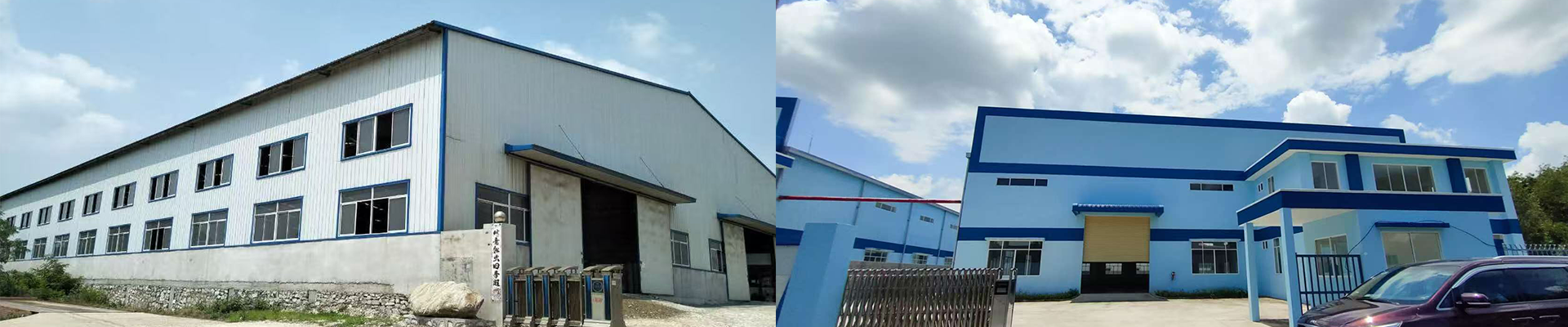
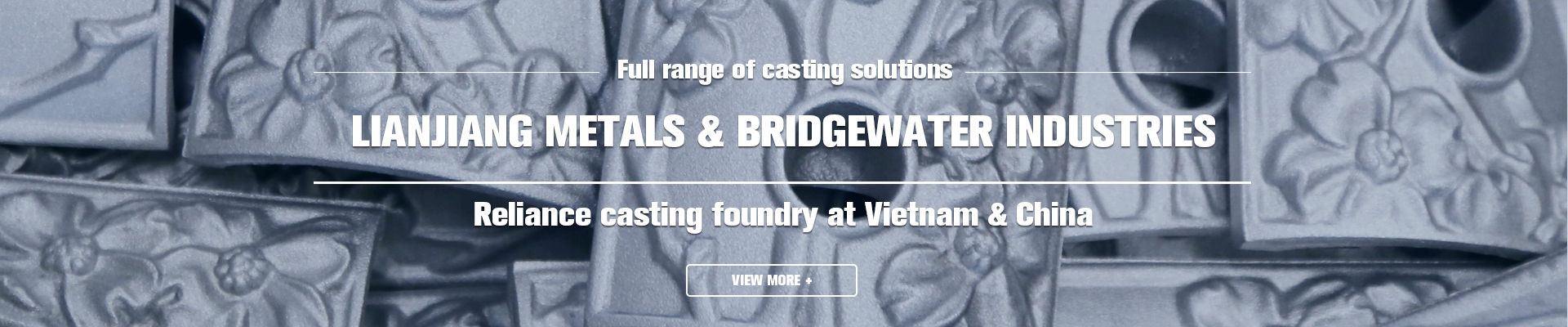
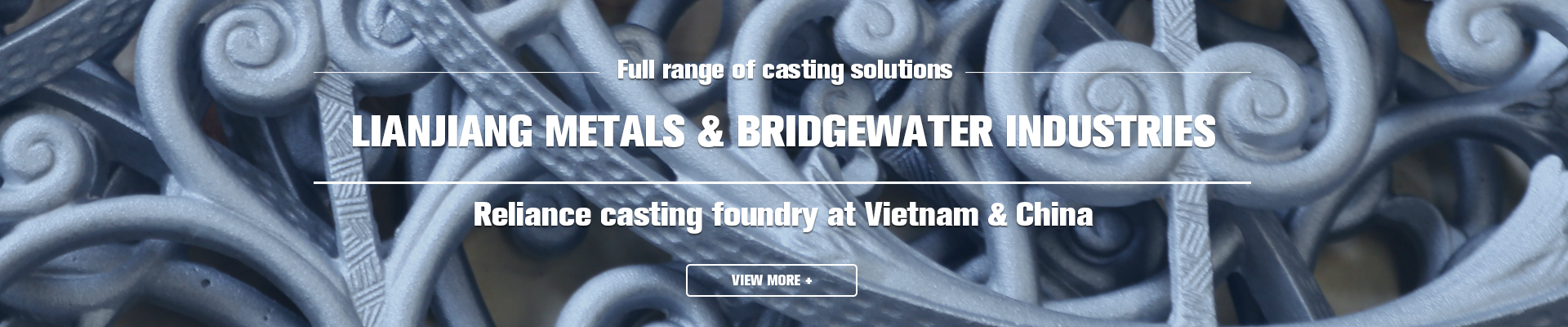
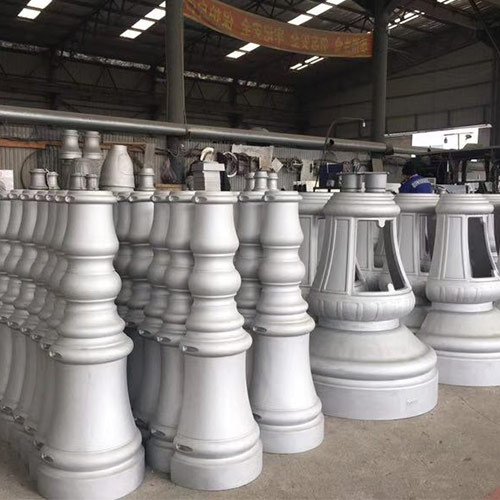
Cast aluminum and wrought aluminum perform different functions in a commercial fence system. Cast aluminum is produced by pouring molten alloy into a mold, making it suitable for decorative panels, finials, post caps, medallions, bases and complex architectural shapes.
Wrought aluminum refers to aluminum processed into extruded, rolled or fabricated sections. In fencing, it is commonly used for rails, pickets, posts and standardized structural panels. The Aluminum Association maintains separate technical data and standards for cast products and wrought aluminum products because their production methods, tolerances and mechanical properties differ.
For long commercial fence runs, wrought or extruded aluminum is generally the more practical structural option. Extruded profiles provide consistent wall thickness, straight sections and repeatable dimensions, helping contractors maintain alignment and replace damaged panels more easily.
Wrought alloys and tempers can also be selected according to the required strength, fabrication process and service environment.
Cast aluminum is useful when the project requires thick decorative sections or shapes that would be difficult and expensive to fabricate. However, casting performance depends on alloy selection, mold design, wall thickness, porosity control, heat treatment and inspection.
A decorative cast component should not automatically be used as a load-bearing rail, gate post or structural connection.
Cast aluminum provides greater design freedom for:
Custom logos
Historical patterns
Decorative entrance panels
Ornamental inserts
Branded post caps
Architectural plaques
It is particularly suitable for hotels, parks, residential developments and commercial properties where the fence contributes to the overall architectural appearance.
Wrought aluminum is better suited to standardized perimeter fencing, pool enclosures, security panels and repeat construction projects. Profiles can be cut, drilled, welded and assembled into modular fence sections, simplifying installation and future expansion.
Cast components normally require molds or patterns, making them more economical when the same design is produced repeatedly. Wrought aluminum usually involves lower development costs and faster production for standard panel sizes.
Both materials resist the red rust associated with carbon steel. However, outdoor performance still depends on alloy selection, pretreatment, coating quality, drainage design and correct installation.
For most commercial applications, a hybrid system provides the best balance.
Use wrought or extruded aluminum for posts, rails, pickets and gate frames where consistent strength and dimensional control are important. Use cast aluminum for finials, decorative panels, plaques, bases and branded architectural elements.
An all-cast fence is more appropriate when decorative value is the main priority and the project volume can justify additional tooling, weight and inspection costs.


Copyright © Dalian Lianjiang Metal Co., Ltd. All Rights Reserved | Sitemap
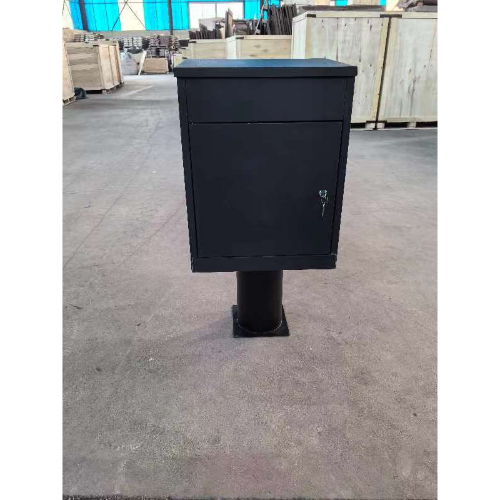
Recommend Products: Aluminum Mailbox With Post